

I have been accused of being overprepared, but I don’t mind. My travel first aid kit beats being underprepared.
We have ended up in hospitals in six countries around the world, for problems ranging from dengue fever contracted in the rainforest to decompression sickness after diving in the tropics.
Thankfully, those are the exceptions.
Most of our travel mishaps are far less dramatic. A cut, splinter, headache, insect bite, upset stomach, or too much time in the sun is much more likely to interfere with our day.
And for those, I am prepared.
I make our own travel first aid kit, packing the medicines and supplies we are most likely to use into a small packing cube or even a Ziploc bag.
The contents change only slightly depending on where we are going, what we will be doing, and how easily we can replace something if needed.

Why I make my own travel first aid kit
Ready-made first aid kits are convenient, but I prefer to assemble my own. This way, I know exactly what is inside, can choose products we know, and don’t waste precious luggage space carrying things we are unlikely to need.
Don’t read this wrong, we also carry travel insurance when we leave the country.
But if that’s not you and you prefer the convenience of a premade kit, this Travel Ready Portable First Aid Kit from Johnson & Johnson looks pretty complete.
Travel first aid kit essentials we carry in our homemade kit
We divide these into three categories. Preventing problems, illness and injury. Our goal, of course, is to come home with the identical fully-stocked travel first aid kit we started with, but we know all too well, that’s not always the way life goes.
Preventing problems before they start
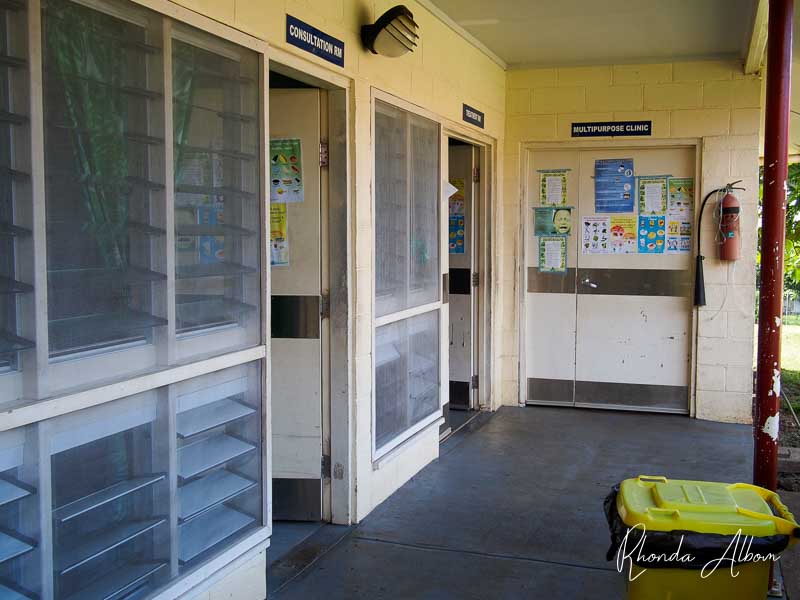
Some of the most useful items in our travel first aid kit are designed to prevent problems rather than treat them.
We generally carry:
- Sunscreen, although we sometimes buy it after we arrive
- Insect repellent – this one changes depending on where we are headed. I learned my mosquito lesson the hard way after contracting dengue fever in Brazil. Since then, I take mosquito protection much more seriously.
- Insect repellent with DEET when travelling somewhere with mosquito-borne diseases.
- Insect repellent without DEET when we are at home in New Zealand or somewhere lower risk
- N95 masks
Medicines for common travel illnesses
Nothing here is particularly exciting, which is exactly the point.
These are the basics we turn to when a headache, cold, sore throat, fever, or dodgy stomach threatens to derail our plans.
Our travel first aid kit usually includes:
- Tylenol or paracetamol (the NZ product)
- Ibuprofen
- A few packets of Theraflu or Lemsip
- Imodium or another anti-diarrhoeal medicine
- Sore throat lozenges
- A small thermometer
- A RAT test
We don’t carry huge quantities. Usually, we need only enough to get us through the immediate problem or until we can get to a pharmacy.
First aid supplies for cuts, bites, and minor injuries
This is probably the part of the kit we use most often.
Our basic injury supplies include:
- Band-aids
- Gauze pads and tape, or better still, we love this self-adhesive patch bandage
- Strapping tape
- First aid ointment (Neosporin is my personal favourite)
- Low-dose hydrocortisone cream
- Antiseptic wound wipes
- Anti-itch ointment
- Tweezers (Tweezers may not sound important until you have a splinter you can’t remove.)
What I add to our first aid kit for a cruise
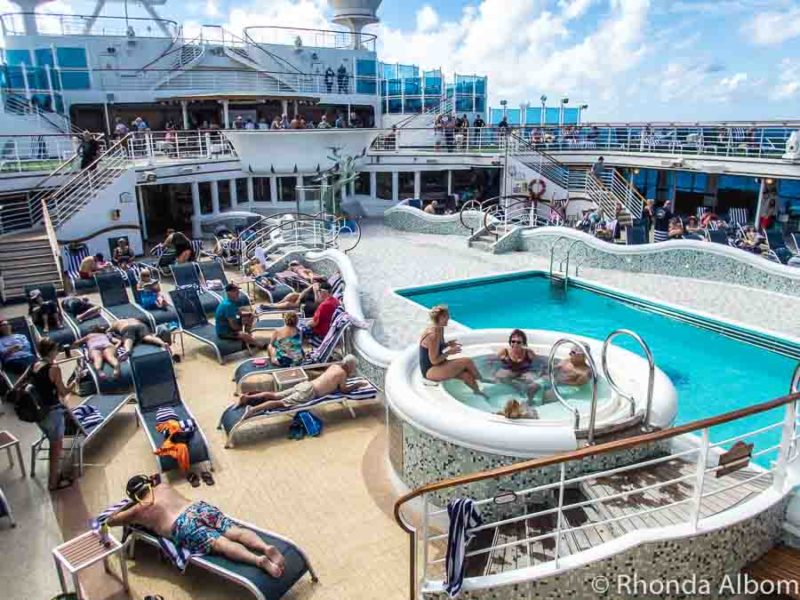
After more than 160 days at sea, there is one additional item that nearly always goes into our kit when we cruise: Seasickness or motion sickness tablets
Even if you’re like me and don’t normally get seasick, conditions onboard can change. And that’s when everyone (including me) needs it, but they have run out! I promise, if you need it, you will thank me.
Read next: Easy Tips: How to Pack Light for a Cruise – Essentials to Bring
Where I keep our travel first aid kit
I keep everything together in one of my small packing cubes or occasionally a sturdy ziplock bag.
Keeping it all in one place makes packing easier, and storage when I get home. Before each trip, I go through the contents, remove anything we won’t need, check expiry dates, and replace anything we’ve used.
Your travel first aid kit should match your destination
There isn’t one perfect packing list for every traveller or every holiday.
A weekend in Sydney is different from trekking in South America. A road trip through New Zealand isn’t the same as spending two weeks on a cruise ship.
Before packing, I think about:
- How remote our destination will be
- How easy will it be to find a pharmacy
- Whether mosquitoes or other insects are a concern
- The activities we have planned
- How long will we be away
- Whether we are travelling by cruise ship
- Any personal medications we need
I also check the rules for carrying medication into your destination, particularly for prescription medicines.
And, of course, our little kit isn’t a substitute for medical care. If something serious happens, we seek professional help. We’ve certainly had enough experience with that.
You might also like
Save for later
If you enjoyed this article, please share it on social media and save it for later on Pinterest.

What’s in your travel first aid kit?
Photo Credits:
All photos on this page are either shot by our team and watermarked as such or stock images from Depositphotos.

Alex J. Cavanaugh
Insect repellent is a must anytime I step outside, so it would definitely be in the kit. And yes, the one cruise I was on there was some choppy weather and while we were all right, the ship did run out of motion sickness pills.